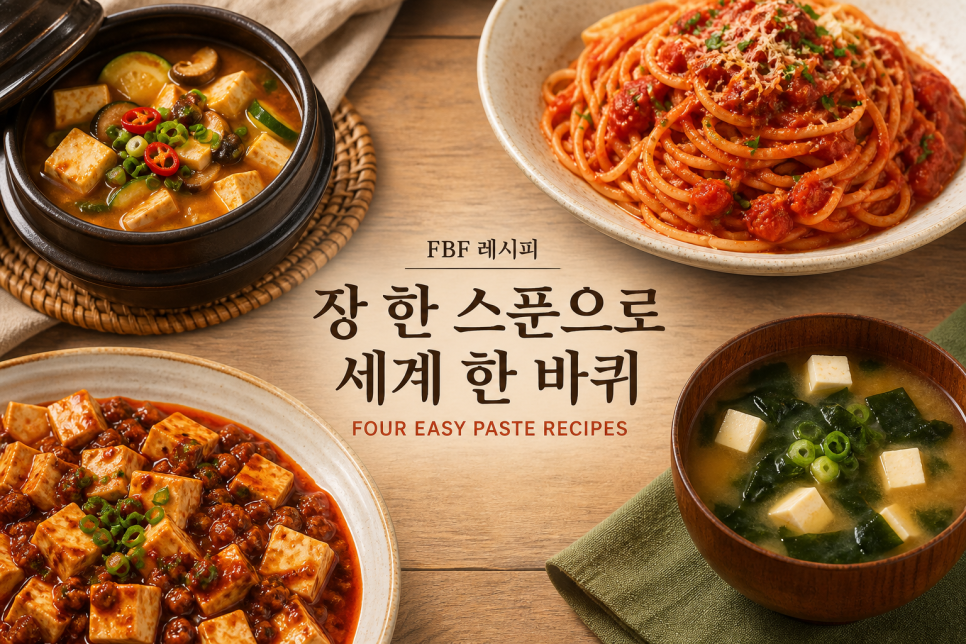
제4편 [FBF 레시피] 장 한 스푼으로 세계 한 바퀴
2. 오늘의 질문
Today’s Question
앞선 세 편에서는 세계의 장, 열이 맛에 미치는 영향, 그리고 장과 열을 연결하는 조리 순서를 살펴봤습니다.
그렇다면 이 원리를 오늘 저녁 식탁에서는 어떻게 사용할 수 있을까요?
In the first three episodes, we explored pastes from around the world, how heat changes flavor, and when a paste should meet oil, ingredients, and water.
Now comes the practical question: How can we use that idea for dinner tonight?
3. Chef’s Experience
제가 레시피를 볼 때 재료의 양만큼 중요하게 생각하는 것이 있습니다. 바로 순서입니다.
• 된장은 기름에 짧게 볶아 찌개를 만들 수 있습니다.
• 토마토 페이스트는 액체를 넣기 전에 볶으면 향의 인상이 달라집니다.
• 두반장은 기름에 볶으며 소스의 바탕을 만들 수 있습니다.
• 미소는 반대로 마지막에 풀어 특유의 향을 살릴 수 있습니다.
같은 ‘장’이라는 이름으로 묶을 수 있어도 모두 같은 방식으로 다루면 안 됩니다.
When I read a recipe, I pay attention not only to how much of each ingredient is used, but also to the sequence. Some pastes benefit from meeting oil early. Others are better added at the end. The goal is not to memorize one rule, but to understand what each paste needs.
4. 왜 그럴까?
Why?
앞선 편에서 사용한 FBF의 판단 공식은 다음과 같습니다.
장 × 열 × 기름 × 수분 × 시간
장을 먼저 볶으면 기름과 열을 통해 볶은 향과 농축된 인상을 만들 수 있습니다. 이후 소량의 물이나 육수를 넣으면 팬에 남은 장과 기름이 풀리면서 다른 재료와 연결됩니다.
하지만 모든 장을 먼저 볶아야 하는 것은 아닙니다. 미소처럼 섬세한 향을 살리고 싶은 경우에는 조리 마지막에 넣는 방식이 더 적합할 수 있습니다.
Cooking a paste in oil can build a roasted, concentrated character before the main liquid enters the pan. Adding a small amount of stock or water then connects that flavor with the other ingredients.
But not every paste needs this treatment. Some, such as miso, may be better added at the end to preserve their characteristic aroma.
5. 직접 만들어보세요
Try It Yourself
모든 레시피는 1인분 기준입니다. 장은 제품마다 염도와 단맛이 다르므로 처음에는 적게 사용하고, 마지막에 맛을 보며 조절하세요.
Every recipe below makes one serving. Saltiness and sweetness vary by brand, so begin with less paste and adjust after tasting.
대한민국 — FBF식 된장찌개
Korea — FBF-Style Doenjang Jjigae

준비 재료 / Ingredients
• 된장 1큰술 / 1 tbsp doenjang
• 식용유 또는 들기름 ½작은술 / ½ tsp neutral oil or perilla oil
• 애호박 ⅙개 / about ⅙ Korean zucchini
• 양파 ⅛개 / about ⅛ onion
• 두부 80g / 80 g tofu
• 다진 마늘 1작은술 / 1 tsp minced garlic
• 대파 약간 / a little sliced green onion
• 멸치육수 또는 물 250ml / 250 ml anchovy stock or water
• 청양고추 선택 / Korean chili, optional
만드는 법 / Method
1. 애호박과 양파, 두부를 먹기 좋은 크기로 자릅니다. / Cut the zucchini, onion, and tofu into bite-size pieces.
2. 냄비를 약불로 예열하고 기름과 된장을 넣습니다. / Warm a small pot over low heat and add the oil and doenjang.
3. 된장이 타지 않도록 약 30초간 천천히 볶습니다. / Cook gently for about 30 seconds without burning the paste.
4. 양파와 애호박, 다진 마늘을 넣고 가볍게 볶습니다. / Add the onion, zucchini, and garlic and stir briefly.
5. 육수 30ml 정도를 먼저 넣어 냄비 바닥의 된장과 기름을 풀어줍니다. / Add about 30 ml of stock first to loosen the paste and oil from the bottom.
6. 나머지 육수를 넣고 채소가 익을 때까지 끓입니다. / Add the remaining stock and simmer until the vegetables are tender.
7. 두부와 대파를 넣고 한소끔 끓인 뒤 맛을 봅니다. / Add the tofu and green onion, bring back to a gentle simmer, and taste.
FBF Point: 일반적인 된장찌개처럼 된장을 육수에 바로 푸는 방법과 비교해보세요. 이 조리법은 된장찌개의 유일한 정답이 아니라 #03의 장 × 열을 비교하기 위한 FBF식 응용입니다.
Compare this with your usual method of dissolving doenjang directly into the broth. This is an FBF variation for testing the Paste × Heat idea, not the only correct way to make doenjang jjigae.
이탈리아 — 15분 토마토 페이스트 파스타
Italy — 15-Minute Tomato Paste Pasta

준비 재료 / Ingredients
• 스파게티 80g / 80 g spaghetti
• 토마토 페이스트 1큰술 / 1 tbsp tomato paste
• 올리브오일 1큰술 / 1 tbsp olive oil
• 마늘 1쪽 / 1 garlic clove
• 양파 ⅛개 / about ⅛ onion
• 파스타 삶은 물 약 75ml / about 75 ml pasta water
• 소금과 후추 / salt and black pepper
• 파르미자노 치즈 또는 바질 선택 / Parmigiano or basil, optional
만드는 법 / Method
1. 소금을 넣은 물에 스파게티를 삶습니다. / Cook the spaghetti in salted water.
2. 팬에 올리브오일과 마늘을 넣고 약불에서 향을 냅니다. / Gently warm the garlic in olive oil.
3. 양파를 넣어 투명해질 때까지 볶습니다. / Add the onion and cook until translucent.
4. 토마토 페이스트를 넣고 색이 조금 진해질 때까지 1~2분간 볶습니다. / Add the tomato paste and cook for 1–2 minutes, until the color deepens slightly.
5. 파스타 삶은 물을 조금씩 넣어 팬의 페이스트를 풀어줍니다. / Add pasta water gradually to loosen the paste from the pan.
6. 삶은 면을 넣고 소스가 면에 묻도록 약 1분간 섞습니다. / Add the pasta and toss for about 1 minute until coated.
7. 소금과 후추로 간하고 치즈나 바질을 더합니다. / Season and finish with cheese or basil if desired.
FBF Point: 토마토 페이스트를 액체에 바로 풀었을 때와 먼저 볶았을 때의 향과 색을 비교해보세요.
Compare tomato paste dissolved directly into liquid with tomato paste cooked in oil first. Notice the difference in aroma and color.
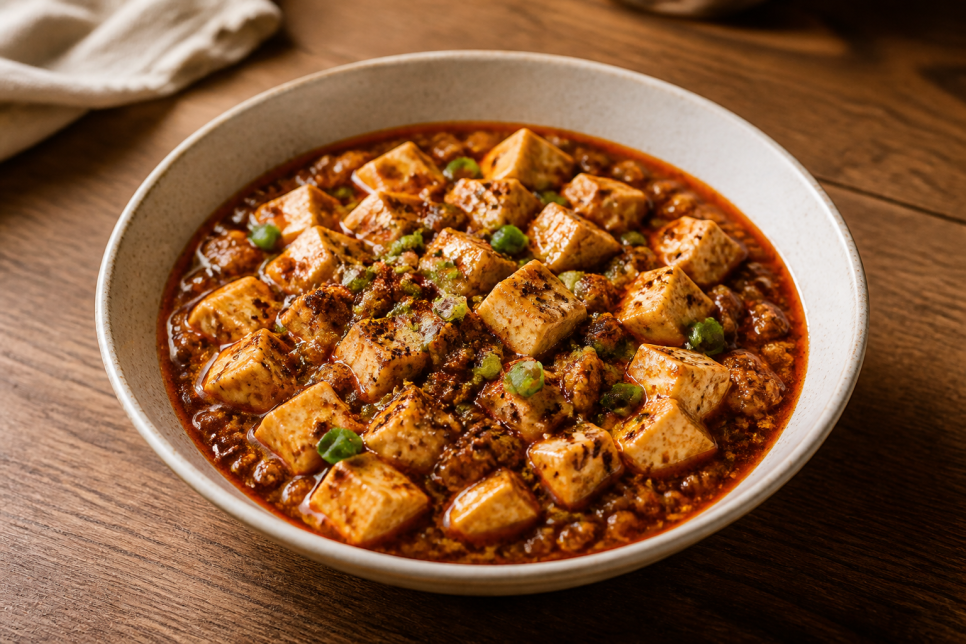
중국 — 집에서 만드는 간단 마파두부
China — Easy Home-Style Mapo Tofu
준비 재료 / Ingredients
• 두부 150g / 150 g tofu
• 다진 돼지고기 50g, 선택 / 50 g ground pork, optional
• 두반장 ½큰술 / ½ tbsp doubanjiang
• 식용유 ½큰술 / ½ tbsp neutral oil
• 다진 마늘 ½작은술 / ½ tsp minced garlic
• 다진 생강 ¼작은술 / ¼ tsp minced ginger
• 대파 약간 / a little sliced green onion
• 물 또는 육수 100ml / 100 ml water or stock
• 간장 ½작은술 / ½ tsp soy sauce
• 전분물: 전분 ½작은술과 물 1작은술 / slurry: ½ tsp starch and 1 tsp water
• 화자오 선택 / Sichuan pepper, optional
만드는 법 / Method
1. 두부를 한입 크기로 자릅니다. / Cut the tofu into bite-size cubes.
2. 팬에 기름을 두르고 다진 고기를 완전히 익을 때까지 볶습니다. / Heat the oil and cook the ground pork thoroughly.
3. 마늘과 생강, 두반장을 넣고 약불에서 약 30초간 볶습니다. / Add the garlic, ginger, and doubanjiang and cook over low heat for about 30 seconds.
4. 두반장이 타기 전에 물이나 육수를 넣어 팬의 맛을 풀어줍니다. / Add the stock before the paste burns, loosening the flavor from the pan.
5. 두부와 간장을 넣고 3~4분간 약하게 끓입니다. / Add the tofu and soy sauce and simmer gently for 3–4 minutes.
6. 전분물을 조금씩 넣어 원하는 농도로 맞춥니다. / Add the starch slurry gradually to reach the desired consistency.
7. 대파와 화자오를 더해 마무리합니다. / Finish with green onion and Sichuan pepper if desired.
FBF Point: 두반장은 제품에 따라 짠맛이 강합니다. 간장은 처음부터 전부 넣지 말고 마지막에 맛을 본 뒤 조절해도 좋습니다.
Doubanjiang can be quite salty. Hold back some soy sauce and adjust only after tasting.
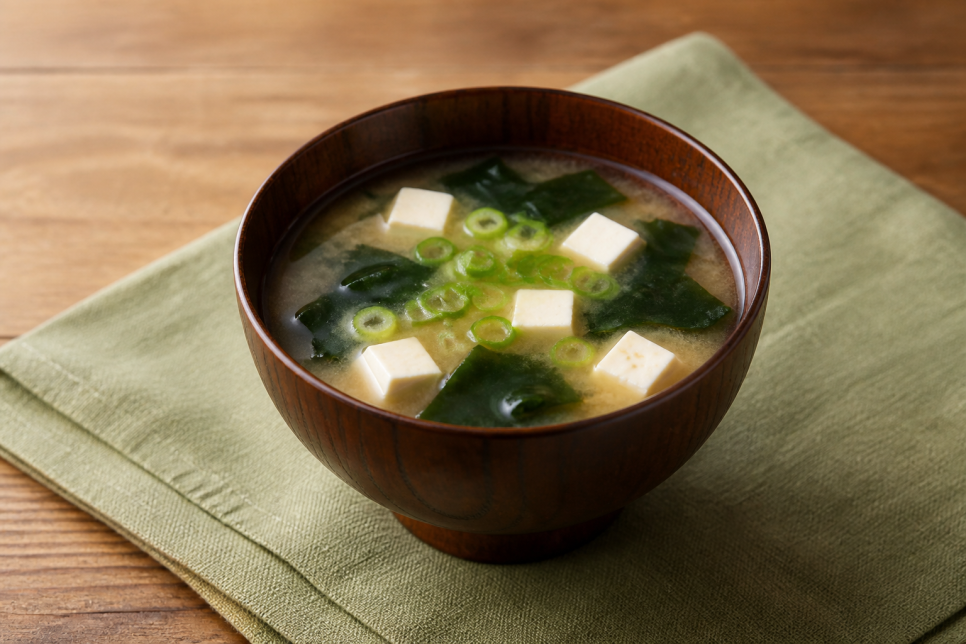
일본 — 마지막에 푸는 두부 미소시루
Japan — Tofu Miso Soup, Finished with Miso
준비 재료 / Ingredients
• 다시 또는 물 200ml / 200 ml dashi or water
• 미소 1큰술 / 1 tbsp miso
• 두부 75g / 75 g tofu
• 불린 미역 약간 / a small amount of rehydrated wakame
• 대파 약간 / a little sliced green onion
만드는 법 / Method
1. 냄비에 다시 또는 물을 넣고 데웁니다. / Heat the dashi or water in a small pot.
2. 두부와 미역을 넣어 재료가 따뜻해질 정도로 끓입니다. / Add the tofu and wakame and warm them gently.
3. 불을 끄거나 아주 약하게 낮춥니다. / Turn off the heat or reduce it to very low.
4. 미소를 국자에 담고 뜨거운 국물을 조금 섞어 완전히 풉니다. / Place the miso in a ladle and dissolve it with a little hot broth.
5. 풀어놓은 미소를 냄비에 넣고 섞습니다. / Stir the dissolved miso into the pot.
6. 대파를 올리고 바로 먹습니다. / Add green onion and serve immediately.
7. 미소를 넣은 뒤에는 팔팔 끓이지 않습니다. / Do not bring the soup to a rolling boil after adding miso.
FBF Point: 앞선 세 요리와 달리 미소는 마지막에 넣습니다. 먼저 볶는 것도 기술이고, 마지막에 넣는 것도 기술입니다.
Unlike the other three recipes, miso is added at the end. Cooking a paste first is a technique—and so is knowing when not to.
6. FBF Point
네 가지 요리에서 기억할 것은 복잡한 계량표가 아닙니다.
먼저 볶아볼 장: 된장 · 토마토 페이스트 · 두반장
마지막에 풀어볼 장: 미소
하지만 이것도 절대적인 규칙은 아닙니다. 만들고 싶은 음식과 원하는 향에 따라 선택해야 합니다.
좋은 레시피는 무엇을 넣는지만 알려주지 않습니다. 언제 넣어야 하는지도 알려줍니다.
A useful recipe tells you not only what to add, but also when to add it.
7. Puzzle Connection
#01 장 / PASTE
어떤 장이 있는가?
What kinds of pastes are there?
↓
#02 열 / HEAT
열은 맛과 향을 어떻게 바꾸는가?
How does heat change flavor and aroma?
↓
#03 장 × 열 / PASTE × HEAT
장은 실제 요리에서 언제 열을 만나야 하는가?
When should paste meet heat in real cooking?
↓
#04 FBF 레시피 / FBF RECIPES
그 원리를 오늘 저녁 무엇으로 만들어볼까?
What can we cook with that idea tonight?
8. 다음 퍼즐
Next Puzzle
같은 팬과 같은 불을 사용했는데도 재료의 시작 온도가 다르면 결과가 달라질까요?
냉장고에서 바로 꺼낸 고기와 미리 꺼내둔 고기는 팬에서 어떤 차이를 보일까요?
다음 퍼즐: 재료의 온도 × 열
Same pan. Same heat. But what changes when the ingredient begins at a different temperature?
Next: Ingredient Temperature × Heat.
출처 및 편집 기준
이 글의 레시피는 외부 레시피를 그대로 복제한 것이 아니라, FBF의 장 × 열 × 기름 × 수분 × 시간 관점에 맞춰 구성한 1인분 실생활용 응용 레시피입니다. 계량과 시간은 FBF Recipe v0.1이며 대표의 실제 조리 검토에 따라 다음 버전에서 조정할 수 있습니다.
• 된장찌개의 일반적 구성: https://www.korea.net/NewsFocus/Culture/view?articleId=144788
• 토마토와 오일을 활용한 파스타 조리 흐름: https://www.lacucinaitaliana.com/italian-food/how-to-cook/pasta-with-fresh-tomatoes-perfect-recipe
• 마파두부의 핵심 재료와 두반장 사용: https://thewoksoflife.com/ma-po-tofu-real-deal/
• 미소를 마지막에 넣고 끓이지 않는 조리법: https://www.justonecookbook.com/10-minute-meal-easy-miso-soup/
• 썸네일과 음식 사진 5종은 FBF AI-assisted original visual assets입니다.
댓글
댓글 쓰기